
Mitigating Climate Change Through Low-Carbon Transition in the Era of Climate Crisis
Date 2026.03.03
As the urgency of responding to the climate crisis grows, developing countries are increasingly seeking transitions to reduce greenhouse gas (GHG) emissions.
Given the diverse challenges in power infrastructure, industrial structures, and urban waste management, an integrated approach is required one that simultaneously promotes renewable energy expansion, energy efficiency improvement, and advanced resource circulation.
Korea Institute for Development Strategy (KDS) spearheads projects aimed at strengthening low-carbon transition capacities in these nations.
Our approach involves designing actionable strategies to reduce emissions across power, industrial, and urban systems, and translating these into sustainable outcomes through policy, investment, and operational improvements.
KDS supports field-oriented low-carbon transitions through three strategic pillars.
-
Expanding Renewable Energy and Energy Access
-
Improving Industrial Energy Efficiency and Strengthening Investment Foundations
-
Enhancing Integrated Waste Management and Circular Economy Capacities
1. Expanding Renewable Energy and Energy Access
Case 1: KIAT Mongolia Eco-Friendly Energy Town Support Project
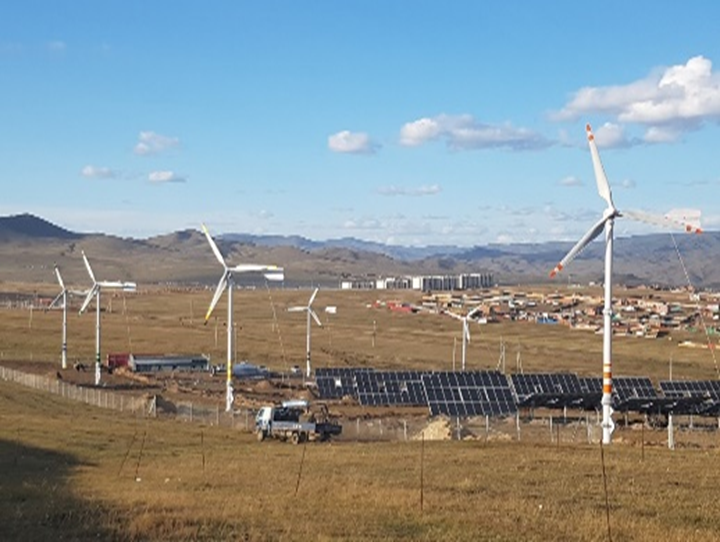
In regions where clean energy infrastructure is insufficient, limited energy access hampers local development and leads to high emissions and air pollution.
In Ulaanbaatar, the proximity of thermal power plants and high winter heating demands exacerbate these issues. Additionally, abandoned mine sites often suffer from environmental degradation.
This project aims to improve the environment around abandoned mines through reclamation and subsequently establish stand-alone small-scale renewable energy plants (solar and wind).
This provides clean electricity, reduces carbon emissions, and mitigates air pollution.
-
KDS’s Role. We managed the Performance Management (M&E) task, conducting baseline surveys, monitoring, and self-evaluations. Notably, we organized "Eco-Lifestyle Workshops" for approximately 300 residents in Nalaikh District to ensure the community-driven settlement of this eco-friendly model.
Case 2: KOICA Korea-Indonesia-Timor-Leste Energy Access Improvement Project
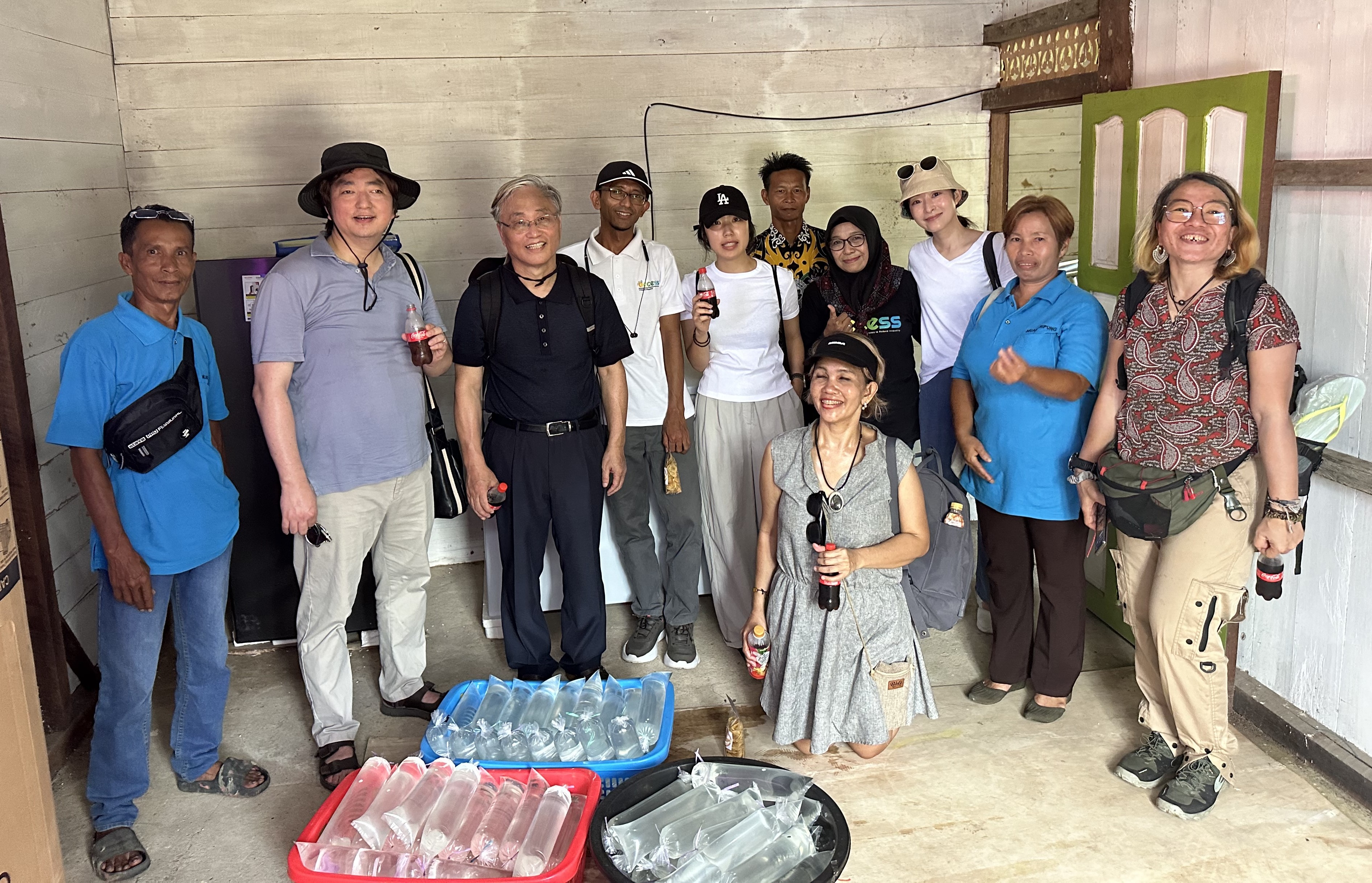
In remote areas of Indonesia and Timor-Leste, limited grid access restricts basic services like clean water and lighting.
This project aims to alleviate energy inequality by building clean energy infrastructure.
-
Indonesia. Installed stand-alone solar power plants and remote monitoring systems in 20 villages across 4 provinces.
-
Timor-Leste. Distributed solar water pumps to 10 villages and high-efficiency solar lamps to 25 villages.
-
KDS’s Role. As the M&E agency, we established a joint performance management system with UNDP and KOICA. We refined the Project Design Matrix (PDM) and conducted baseline, midline, and endline surveys to identify and mitigate technical and operational risks, ensuring the achievement of SDG 7 (Affordable and Clean Energy).
2. Improving Industrial Energy Efficiency and Strengthening Foundations
Case 3: KOICA Vietnam Industrial Energy Efficiency Investment Market Activation
As the industrial sector accounts for a large portion of Vietnam's energy consumption and emissions, efficiency is a top priority. However, actual investment requires a combination of project discovery, policy support, and technical expertise.
-
KDS’s Role. We oversaw capacity building and performance management. We collaborated with the Vietnamese government to upgrade energy management and audit training to international standards and strengthened the capacity of local officials to implement green growth policies. This enhanced the foundation for industrial energy efficiency investments and improved the field-level execution of national climate strategies.
3. Enhancing Integrated Waste Management and Circular Economy Capacities
Case 4: KOICA Ecuador Cuenca Integrated Waste Management and Circular Economy Project
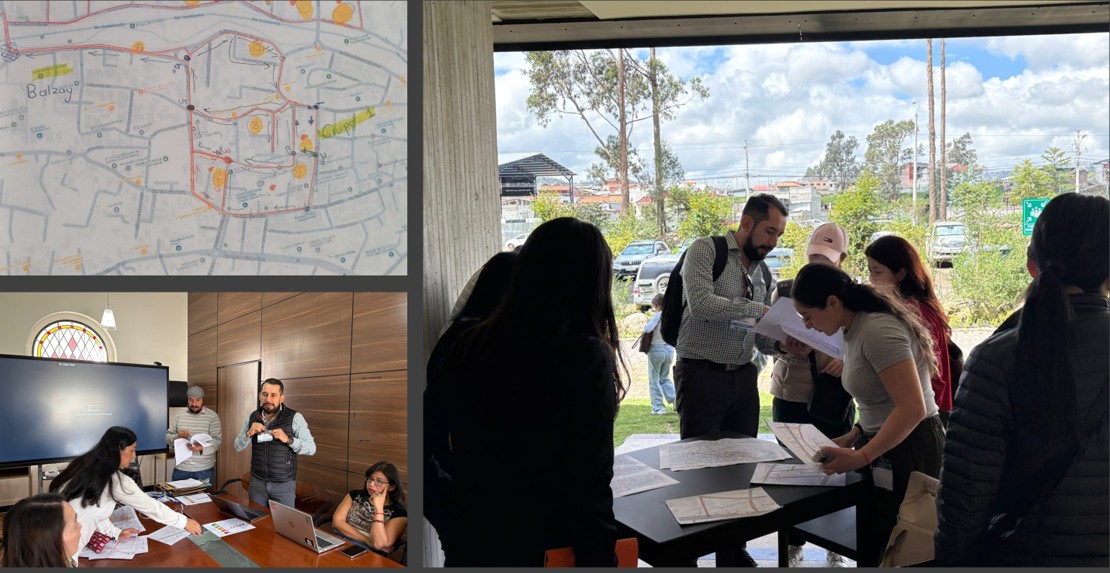
Cuenca, a UNESCO World Heritage city, faces increasing waste issues due to tourism, with a high reliance on direct landfilling and low public awareness of the 3Rs (Reduce, Reuse, Recycle).
-
KDS’s Role. We are managing the performance of this project, which aims to reduce landfill waste by establishing a Resource Integration Complex and raising civic awareness. We completed the baseline survey last year to set a benchmark for measuring future changes in Cuenca’s transition toward a low-carbon, circular economy.
KDS Insight
In the era of climate crisis, mitigation is achieved through "action that yields reduction results" and "transitions that endure in the field."
The KDS Global Climate Change Department connects renewable energy, energy efficiency, and resource circulation into a single transition package.
Through our robust M&E framework combining performance surveys, monitoring, evaluation, and feedback we ensure that the low-carbon transitions of our partner nations take root and flourish.
