
Accompanying Indonesia’s Future Generation: Integrated Support for the Independence of Vulnerable Youth
Date 2026.03.12
Indonesia is a dynamic nation where youth make up 25% of the population. However, behind these vibrant statistics are children in the blind spots of education and protection due to poverty and family dissolution. Particularly, the welfare systems weakened after the pandemic have made it even more difficult for these children to reintegrate into society.
Korea Institute for Development Strategy (KDS) viewed these children not merely as "objects of relief" but as the "future generation" who will lead the nation’s development. We decided to go beyond simple protection within facilities and empower them with the strength to survive independently in the world outside.
Four Core Pillars: Building the Ship and Compass for Society
To help these youths navigate the rough seas of society, we established four strategic pillars:
-
Social Reintegration Package. We developed a comprehensive package that integrates life skills, vocational training, and employment/entrepreneurship education to ensure stable resettlement.
-
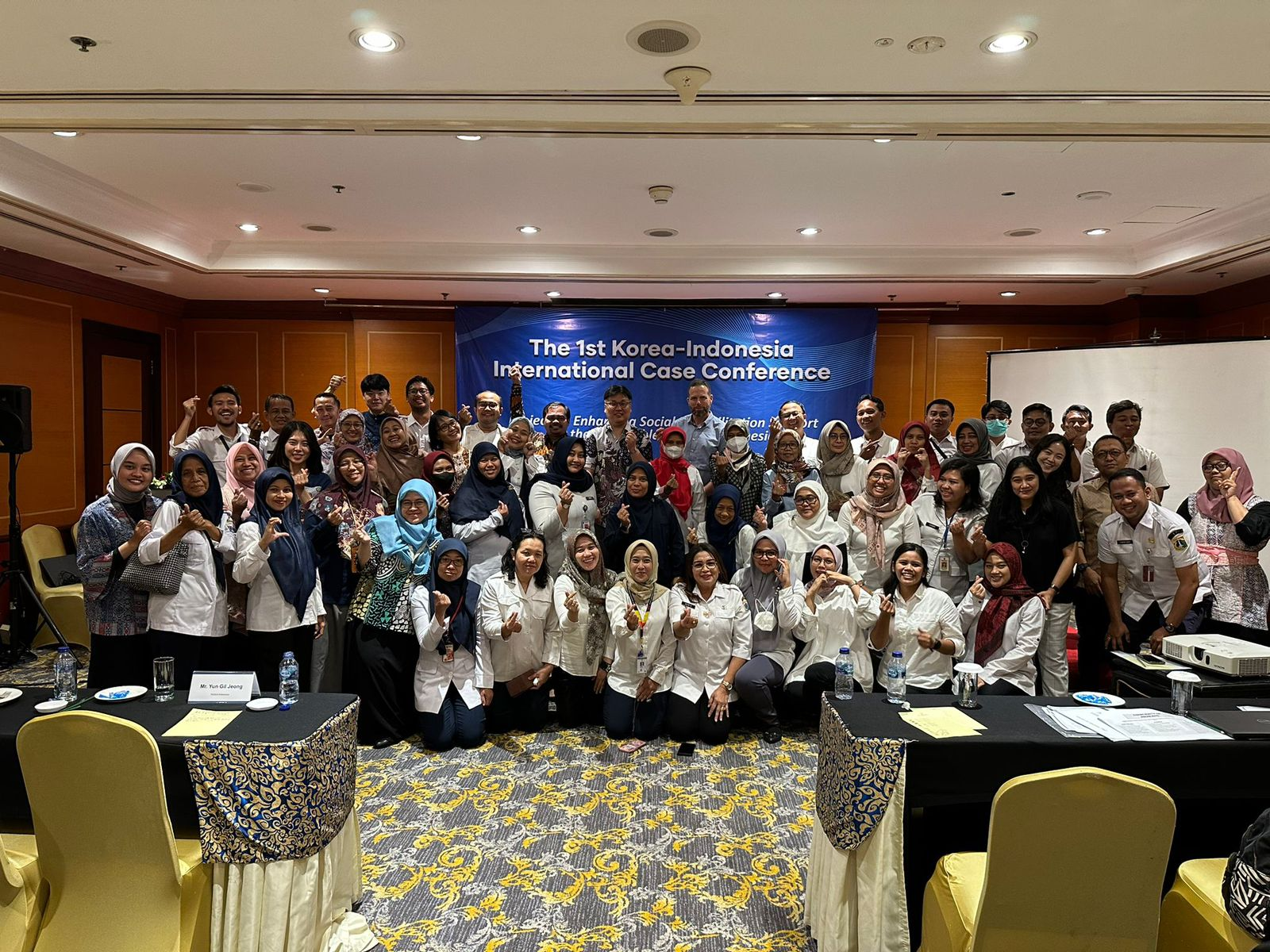
Institutionalizing Case Management. Through the "Korea-Indonesia Case Conference," experts from both countries shared field-based know-how. We improved the quality of welfare services by institutionalizing education centered on systemic case management.
-
Data-Driven Welfare System. We established an integrated data management system for 22 welfare facilities in Jakarta. Now, customized welfare services are provided based on accurate data rather than intuition.
-
Youth-Friendly Environment. By remodeling aging facilities, we created a top-tier educational environment in Indonesia—transforming these spaces into "youth-friendly" hubs where children can dream again.
The Fruit of Sustainability: Locally-Led Innovation
The most significant achievement was that the Indonesian government (MoSA, Dinsos) took the lead. From the planning stage, we collaborated closely with local agencies and established a system that local staff can operate independently after the project's conclusion, bearing the most important fruit: sustainability.
This project served as a decisive turning point, shifting the paradigm of Indonesian welfare from "charity" to "self-reliance." This model, proven in Jakarta, will now become the standard for independence support across Indonesia.
Korea Institute for Development Strategy (KDS) focuses on the actual process of "changing a child's life" beyond mere facility support. We will continue our person-centered, sustainable international development cooperation so that youth worldwide can overcome environmental constraints and bloom to their full potential.
