
[From the Field] WASH Transformation Led by Local Governance: A Field Visit to Zomba, Malawi
Date 2026.03.31
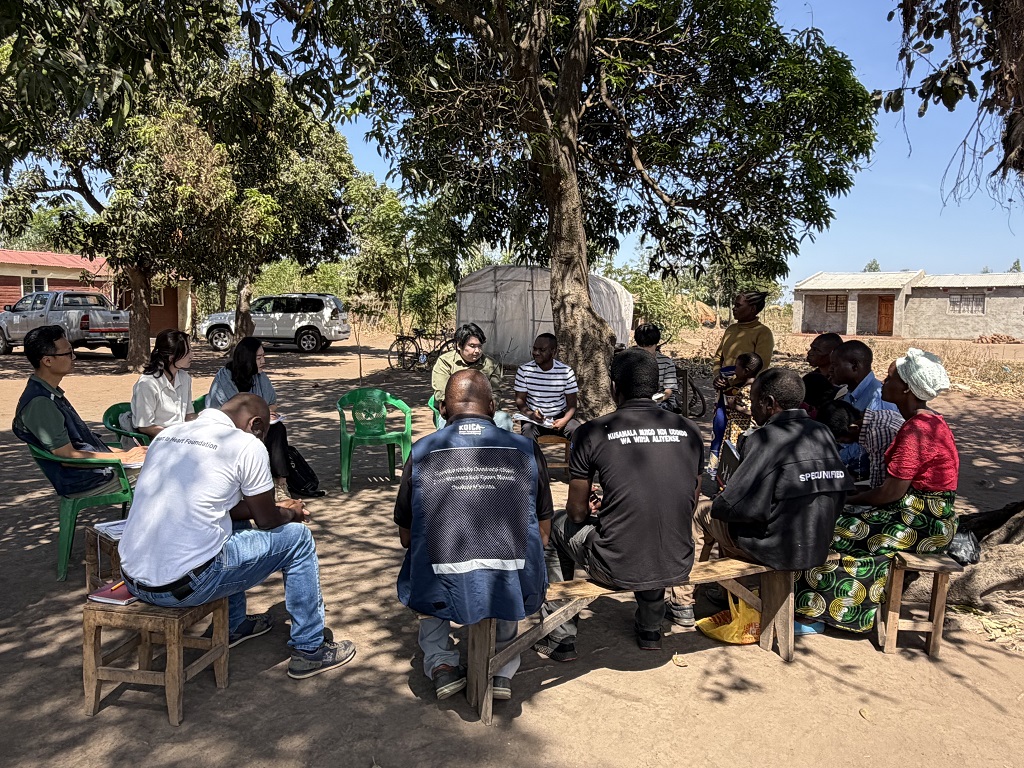
The success of health ODA projects does not lie simply in providing aid or constructing facilities.
Rather, it depends on how the community recognizes hygiene issues and how the process of behavioral change actually operates within the lives of the residents.
In October 2025, during a monitoring visit to the WASH project in Zomba, Malawi, where we serve as the performance management agency, we witnessed a profound sense of responsibility that transcended mere numerical indicators.
The project under evaluation is being implemented based on the CLTS (Community-Led Total Sanitation) approach, aiming for community-led improvements in the sanitary environment.
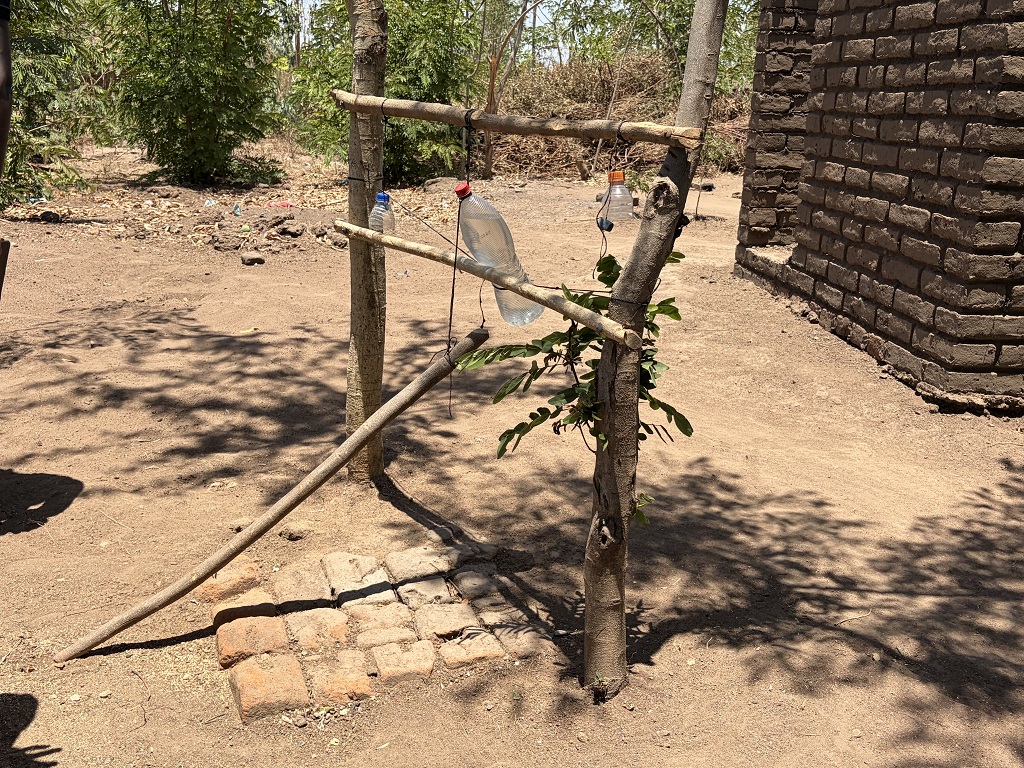
The project structure centers on local governance, integrating activities such as promoting hygiene behavioral change, strengthening the operation of village WASH committees, improving sanitation facilities for vulnerable households, and conducting hygiene awareness campaigns.
"Sense of Responsibility Captured in Rugged Records"
The most impressive aspect of the field visit was the sense of ownership and responsibility shown by the members of the village governance.
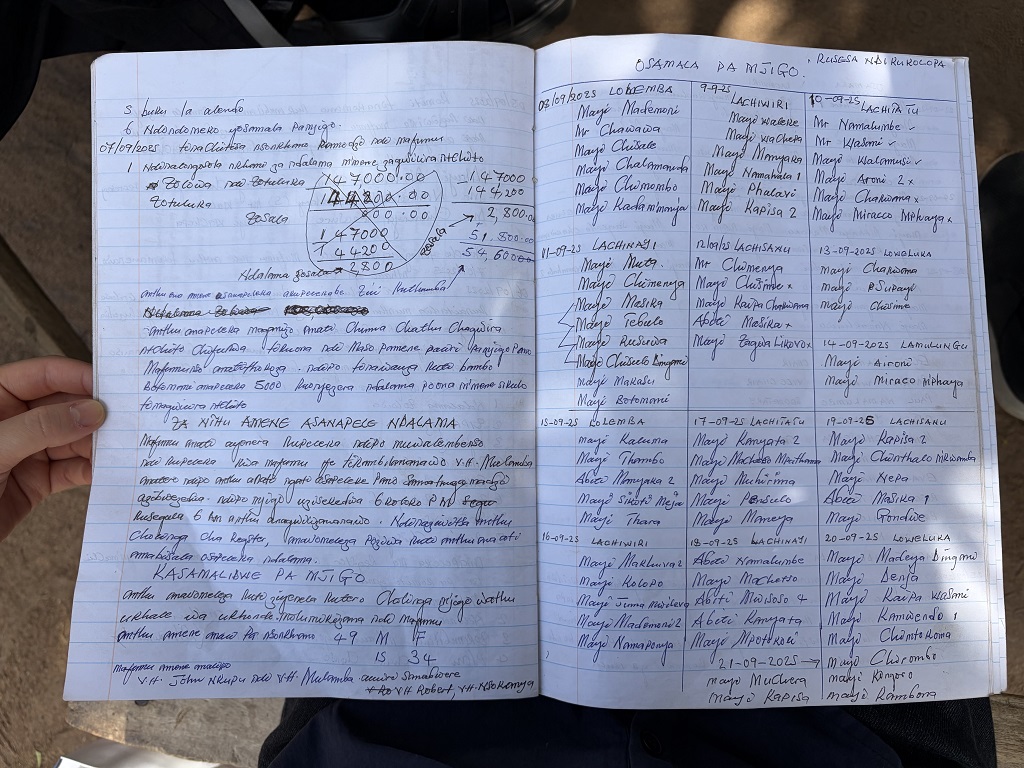
The materials they presented for the performance review were not sophisticated digital systems or Excel sheets, but hand-worn notebooks filled with meticulous handwritten entries.
Despite the physical limitations of manual record-keeping, these notebooks contained detailed logs of facility maintenance and repair status within the village.
These rugged records, showing how faithfully each member fulfills their role, were powerful evidence that field practitioners and residents are internalizing the project's value into their own lives, moving beyond being mere recipients of aid.
"We Will Make Our Village Another Best Practice"
Another driving force of the local governance in Zomba was internal 'pride' rather than external pressure.
Some village leaders and committee members were proactively leading the project with a clear sense of purpose: "Our village must become a model case."
This shift in perception is a change difficult to capture with simple indicators, yet it is a core factor determining the project's sustainability.
When residents begin to perceive themselves as 'operating subjects' rather than 'beneficiaries,' the project transforms from external assistance into a community asset.
"Tasks and Roles from a Performance Management Perspective"
On the way back from the field, a question remained. can the performance management agency truly capture these changes entirely in numbers?
The ownership shown by the village governance, the communal atmosphere of encouraging one another to practice hygiene, and the residents' will to create change themselves were achievements too multi-dimensional and vivid to be converted into a single indicator.
I believe the role of performance management sometimes lies in reading the changes that cannot be expressed in numbers, interpreting their meaning, and recording them as the core value of the project.
What we witnessed in Zomba, Malawi, was not just an improved sanitary environment, but the will of the people to create change themselves.
Ultimately, performance management may be the process of connecting—reading these inexpressible changes and linking their meaning to even greater transformations.
