
[Lessons Learned] The Case of Wandago Health Centre II, Uganda
Date 2026.03.31
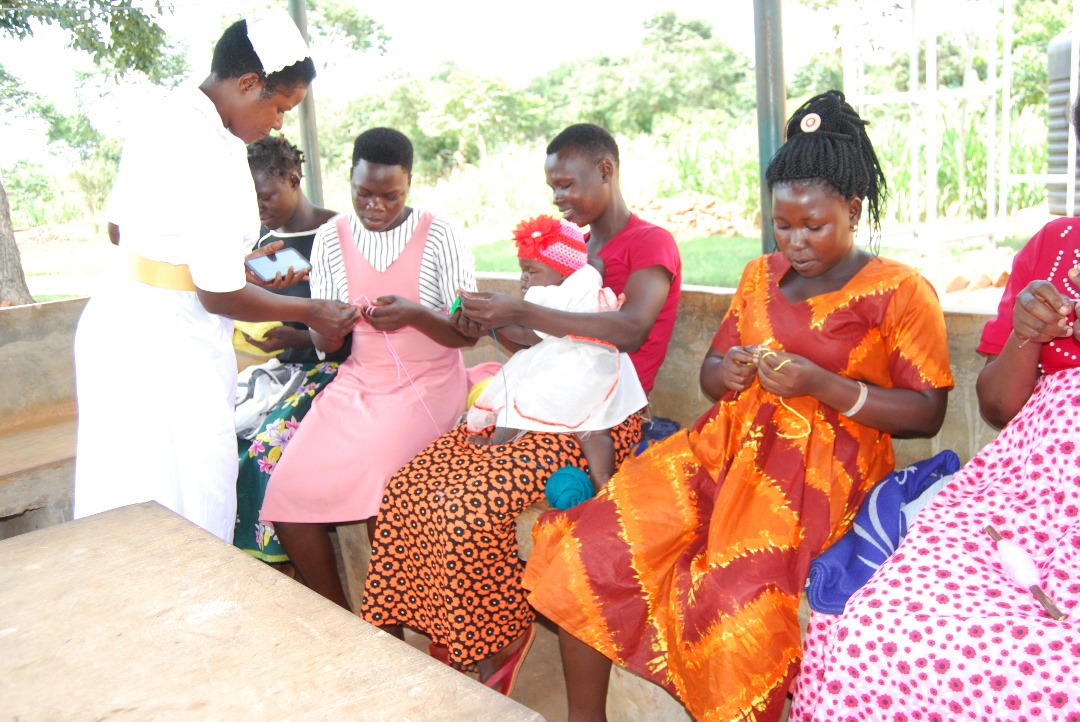
The Buyende District in the Busoga sub-region of Eastern Uganda was once a place that struggled with dilapidated healthcare infrastructure and limited medical services. In this context, the "Adolescent Maternal and Child Health (MNCH) Project" jointly implemented by KOICA, WHO, and the Uganda Ministry of Health (MoH) served as a crucial turning point in restoring the foundation of local health services.
From 2022 to 2025, Korea Institute for Development Strategy (KDS) has participated in the Monitoring and Evaluation (M&E) of this project, supporting the systematic accumulation and utilization of field-level changes through data and case studies. The project targeted five districts in Eastern Uganda, including Buyende, and successfully renovated a total of 28 health centers. Among them, Wandago Health Centre II in Bususwa village was identified as a representative case where project outcomes directly translated into tangible improvements in community life.
In the past, it was not easy for pregnant women here to receive medical services. Due to the lack of basic facilities and equipment, it was difficult for residents to trust the health center, forcing expectant mothers to undertake arduous journeys to distant medical institutions. Residents recall that Wandago Health Centre II had long been neglected due to chronic shortages of medicine, dilapidated facilities, and the absence of essential medical equipment.
Reflecting on the period before the project, Shanita Nanangwe, a Village Health Team (VHT) member and community leader, notes. "There was low awareness of professional medical care, and in reality, almost no services were available." She added that women had no choice but to rely on Traditional Birth Attendants (TBAs) or home remedies. "Expectant mothers either risked dangerous travels to far-off hospitals or stayed home because the local health center could do very little for them," Nanangwe explained.
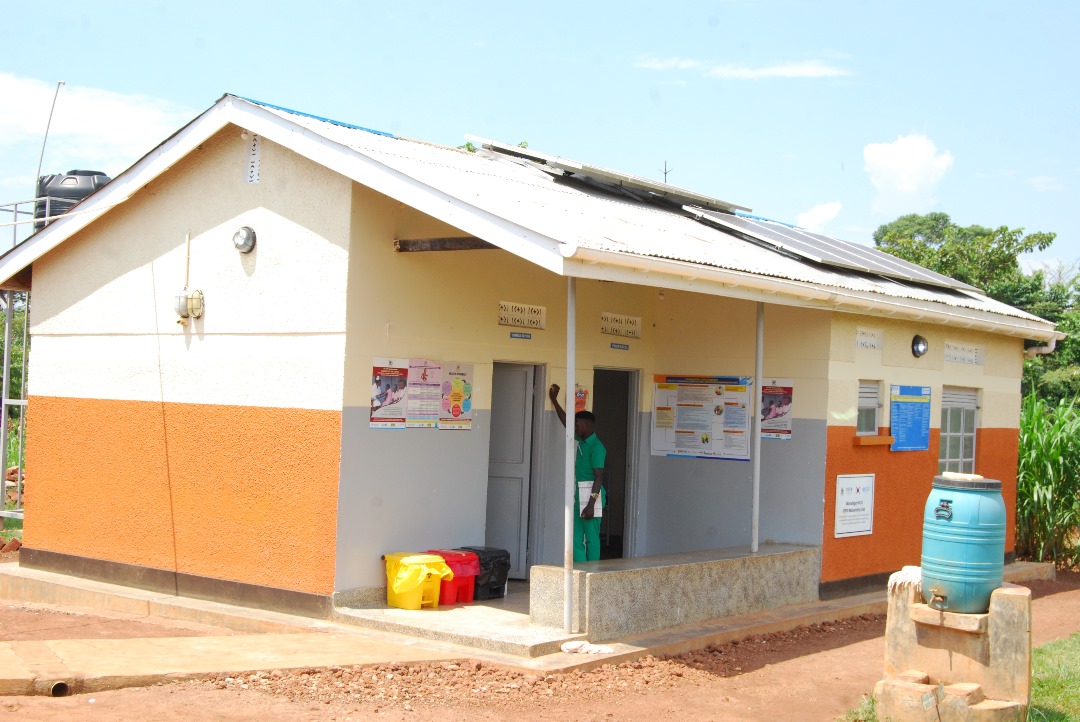
Today, the landscape of Wandago Health Centre II has completely changed. Basic equipment such as beds and oxygen tanks are now in place, and the facility has been overhauled to include an outpatient department with shaded waiting areas, consultation rooms, a maternity ward, and a two-bed inpatient unit. Rainwater harvesting tanks and solar power have also been installed to provide electricity throughout the facility. Overall, the operational foundation has been significantly reinforced, including a dedicated space for family planning and a well-stocked dispensary.
As a result, trust in the health center has been gradually restored among residents, leading to an increase in the number of people seeking local medical services. The scope of services has also expanded. Sarah Mbeiza, an Enrolled Nurse who has managed the center since 2019, states: "Since the renovation, the facility has become more welcoming and has transformed into a truly functional space." This means that with the necessary equipment for antenatal care (ANC), immunizations, and general treatment now available, residents are choosing the center over traditional remedies or traveling long distances.
Currently, Wandago Health Centre II provides HIV/AIDS testing and treatment, as well as antenatal care, sexual and reproductive health services, psychosocial support, adolescent pregnancy prevention, and Sexual and Gender-Based Violence (SGBV) counseling. To ensure the stable operation of these services, comprehensive staff education and training were also provided.
This case demonstrates more than just facility renovation. The KOICA–WHO–MoH partnership emphasizes an integrated approach that weaves together infrastructure improvement with healthcare worker capacity building and community engagement. The changes perceived by residents are clear: assessments show reduced waiting times, better-equipped facilities, and increased trust in local health services.
The impact does not end within medical services. As access to healthcare widened, vocational skills training and socio-economic programs for young mothers and adolescents were also implemented. Within this movement, the "Tusubira Development Group," a community drama troupe formed by teenage mothers, continues its free awareness-raising activities, delivering vital health messages on HIV/AIDS prevention, ANC, child immunization, adolescent health, family planning, and nutrition.
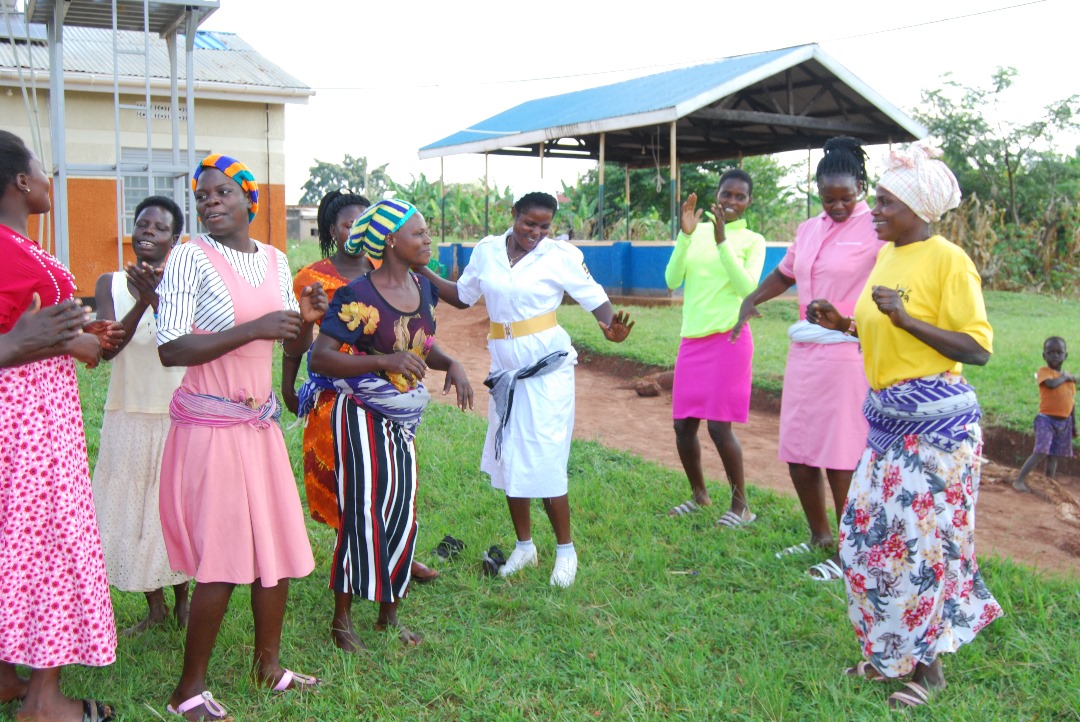
Voices of participants continue to highlight the impact. Irene Babirye (24), a mother of 두 children, shared that after learning how to make liquid soap and tablecloths through the 2024 training program, she is now able to support her children independently. Reste Nakisege (19), who dropped out of school after becoming pregnant at 14, also shared that the training gave her a new direction in life. By acquiring skills, she gained a sense of purpose and can now plan for her future beyond just childcare. Fatuma Kagoma (21) also stated that the skill-building helped her establish a livelihood and become more self-reliant, especially after losing family support.
This project focused on creating conditions for the stable provision of local health services by combining facility renovation, essential equipment upgrades, and education for both healthcare workers and schools. On this foundation, as trust in the health center was restored, community activities such as self-help groups and vocational training for adolescents and young mothers were able to naturally follow and expand.
From an M&E perspective, KDS has compiled this progress into indicators and case studies, accumulating evidence to ensure that outcomes are explained accurately and utilized for future decision-making. Now, the key is sustainability. When operational foundations—such as the stable supply of medicine, equipment maintenance, and personnel management—are consistently supported and field data is regularly monitored, these changes can lead to the design and operation of the next phase.
Based on the lessons learned from this experience, KDS will continue to refine its performance management systems to ensure that field-level changes are transformed into sustainable development achievements.
